Introduction
Definition and role of connectors
Connectors are devices used to establish electrical or mechanical links between multiple components, systems, or devices. Connectors play an essential role in transmitting data, power, and signals between various parts of a system. Their definition is quite broad and can encompass numerous devices and components; generally speaking they can be divided into electrical connectors, mechanical connectors, optical connectors based on their function or application.
Connectors play an indispensable role in many fields:
Data transmission: Connectors enable the transmission of data between electronic devices, such as computers, smartphones, and other communication devices. They provide a means for connecting cables, boards, and other components to enable the flow of information.
Power supply: Connectors are used to provide power to electronic devices and systems. They establish a reliable electrical connection between the power source and the device, ensuring a smooth flow of electricity.
Signal transmission: Connectors can also transmit signals between devices, such as audio and video signals, enabling proper functioning of the system.
Component connection: Connectors facilitate the connection of various components in a system, ensuring that they work together effectively.
The impact of choosing high-quality connector products
Choosing high-quality connector products can bring many benefits to individuals, businesses, and society. It is important to carefully consider the quality, reliability, and performance of connector products when making a purchase decision to ensure that you are getting the best possible value for your money.. Here are some of the impacts:
Improved efficiency: High-quality connector products can ensure stable and reliable electrical connections, which can significantly improve the efficiency of electronic devices and systems. This is especially important in industries that require high-speed and high-precision operations, such as manufacturing, medical equipment, and telecommunications.
Better safety: High-quality connector products can reduce the risk of electrical fires and other safety hazards caused by poor connections. This is crucial in industries where safety is a top priority, such as transportation, construction, and mining.
Longer lifespan: High-quality connector products are designed to last longer and withstand heavy use. This can help reduce the frequency of replacement and maintenance, saving time and money in the long run.
Better performance: High-quality connector products can provide better performance in terms of speed, stability, and compatibility. This can help improve the overall performance of the system and ensure that it operates smoothly and efficiently.
Enhanced user experience: High-quality connector products often come with better design and easier to use features that can enhance the user experience and make it more enjoyable to use electronic devices and systems.
Provide information on how to choose high-quality connector products
Electronic products have become an indispensable part of daily life in today’s digital environment, and connectors play a pivotal role in their efficient functioning. However, with so many connector products on the market available for purchase it can be daunting to choose the appropriate ones; therefore this article serves as a guide on selecting high-quality connector products taking into consideration various important fators for both users and manufacturers.
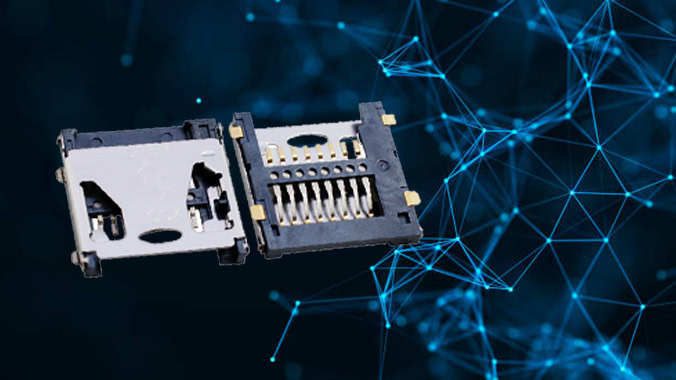
Criteria for Selecting High-Quality Connectors
When selecting high-quality connectors, several critical criteria must be evaluated to ensure optimal performance and reliability in electronic and mechanical systems. Understanding each criterion in depth allows you to make informed decisions that enhance system efficiency and longevity.
Material Quality
Importance of Durable Materials: The material quality of connectors is fundamental to their durability and performance. High-quality connectors are typically constructed with materials that provide both strength and corrosion resistance. Stainless steel is a popular choice due to its excellent corrosion resistance and mechanical strength, making it ideal for harsh environments. Brass, another common material, offers good electrical conductivity and corrosion resistance, while gold-plated contacts enhance conductivity and prevent oxidation, ensuring reliable long-term connections.
Benefits: Using materials like stainless steel and gold-plating helps prevent deterioration and maintain conductivity over time. This is especially critical in environments subject to moisture, chemicals, or extreme temperatures.
Design and Construction
Contact Points: The design of contact points is crucial for maintaining stable electrical connections. High-quality connectors feature precision-engineered contact points that ensure minimal resistance and maximum conductivity. The design should allow for consistent contact pressure, reducing the risk of disconnections caused by vibration or mechanical stress.
Locking Mechanisms: A robust locking mechanism is vital to prevent accidental disconnections. Connectors with secure locking features maintain engagement even under physical stress or environmental challenges. This is particularly important in applications where connectors are subjected to movement or vibration, ensuring that the connection remains intact and reliable.
Electrical Specifications
Current and Voltage Ratings: Understanding the electrical specifications is critical when selecting connectors. The current rating indicates the maximum current a connector can handle without overheating, while the voltage rating defines the maximum voltage the connector can withstand without breakdown. Choosing connectors that meet or exceed the system’s current and voltage requirements prevents overheating and potential damage.
Insulation: Adequate insulation is necessary to prevent short circuits and ensure user safety. High-quality connectors use insulation materials that can withstand the system’s voltage demands and environmental conditions, providing a barrier against electrical leaks.
Environmental Resistance
Temperature, Humidity, and Vibration Resistance: Connectors must be able to perform reliably under various environmental conditions. They should be evaluated for their ability to withstand temperature extremes, humidity, and mechanical vibrations. Materials and design features that mitigate these factors are essential for maintaining connector integrity and performance.
Standards and Certifications: Industry standards, such as IP ratings, provide benchmarks for environmental resistance. For instance, an IP68 rating indicates that a connector is dust-tight and can withstand submersion in water beyond one meter. These standards help ensure that connectors will perform as expected under specified conditions, providing an additional layer of assurance during the selection process.
By focusing on these criteria—material quality, design and construction, electrical specifications, and environmental resistance—you can ensure that the connectors you choose will meet the demands of your specific application, leading to enhanced performance and reliability.

Expert Tips for Selecting Connectors
Consulting with Manufacturers
Leveraging the expertise of experienced manufacturers can provide invaluable insights when selecting connectors. Manufacturers can offer detailed information about product specifications, compatibility, and potential applications. Key questions to ask include:
What are the long-term reliability expectations for this connector?
How does this connector compare with similar products in terms of performance and durability?
Are there any specific maintenance requirements?
Considering Future Needs
When selecting a connectors, it is essential to consider future needs. It is crucial to choose a connector that can grow with your needs and be easily integrated into future technologies. Modular designs allow for easy integration into future systems, while adaptable designs allow for changes to be made without requiring significant modifications to the system.
Evaluating Cost vs. Quality
Choosing a high-quality connector may seem expensive at first glance, but it is an investment that pays off in the long run. High-quality connectors provide better performance, durability, and reliability compared to low-quality connectors. They also have long-term cost benefits as they require less maintenance and replacement over time. Therefore, it is essential to evaluate cost vs. quality when selecting a connector to ensure you get the best value for your money.
Conclusion
Selecting high-quality connector products is essential to the reliability and efficiency of electronic and mechanical systems. By considering material quality, design specifications, electrical specs and environmental resistance you can optimize system performance and increase longevity. Working closely with manufacturers as well as considering future needs will further ensure you acquire connectors that satisfy both immediate needs as well as future ones.
Prioritizing quality and expert consultation is vital to optimizing performance and reliability in systems. Quality connectors offer not only immediate advantages, but they can also ensure future-proof performance of systems. Let this guide help guide your selection process for informed and confident decision-making.