Blog

Blog

Smart Card Connectors: Technical Specifications and Industrial Applications

In the era of digital transformation, smart card connectors serve as the critical bridge between smart cards and electronic devices, enabling secure data transmission, reliable power supply, and seamless interaction. From SIM cards in mobile phones to payment terminals in banks, these small yet robust components underpin countless daily operations. This blog delves into the core technical specifications that define their performance and explores their wide-ranging industrial applications, shedding light on why they are indispensable in modern technology ecosystems.

Blog

The Evolution of USB Connectors: From Standard to Reverse and Offset Designs

In the digital age, USB connectors are the unsung heroes that bridge our devices, enabling seamless data transfer and power delivery. What began as a solution to simplify a chaotic mess of proprietary ports has evolved into a dynamic ecosystem of designs, driven by the relentless pursuit of user convenience, device miniaturization, and performance enhancement. Let’s trace the fascinating journey of USB connectors—from the rigid standard designs of the past to the versatile reverse and offset innovations that define today’s tech landscape.

Blog

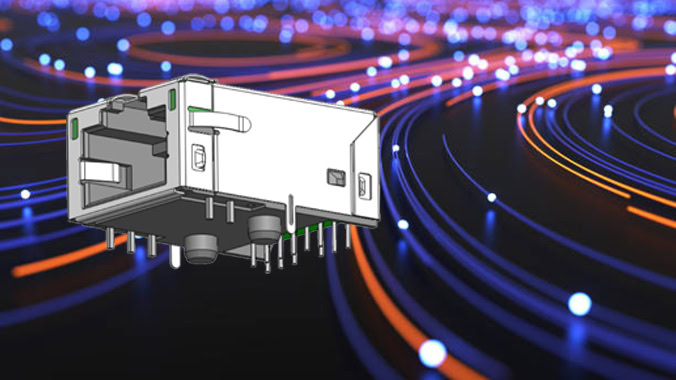
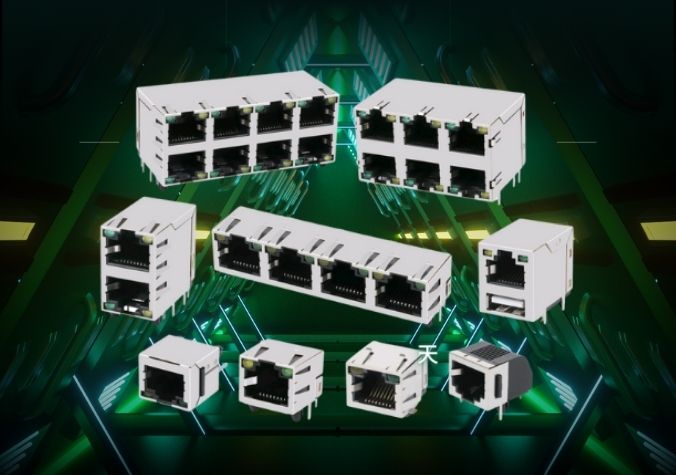
Understanding RJ45 Connector Innovations: From EMI Shielding to LED Options

In the world of networking and data communication, the RJ45 connector is a ubiquitous workhorse. Found in everything from home routers and office switches to industrial control systems and data centers, this small but critical component is the backbone of Ethernet connectivity. While many of us take it for granted, the RJ45 has undergone significant innovations over the years to keep pace with evolving network demands—particularly in areas like electromagnetic interference (EMI) shielding and LED status indicators.

Magnetic VS Non-Magnetic Modular Jack
Blog

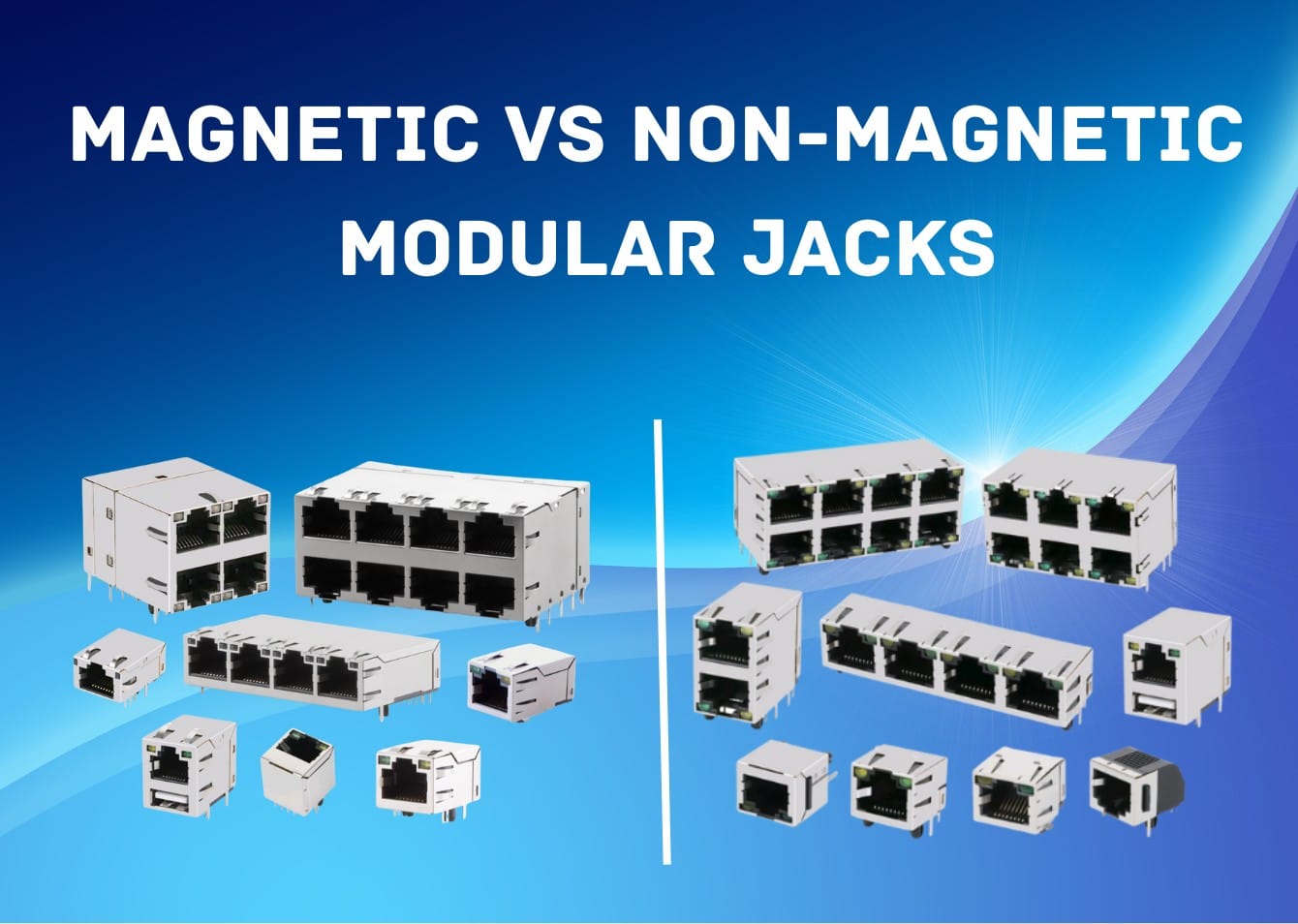
Magnetic vs Non-Magnetic Modular Jacks: Which Solution Fits Your Networking Equipment?

The right jack can make or break your network design.

In the world of Ethernet connectivity, the humble RJ45 connector is the unsung hero of our connected world. But hidden within this standard interface lies a critical design decision that every hardware engineer must face: integrated magnetic jacks or non-magnetic modular jacks? This choice impacts everything from signal integrity and EMI performance to production costs and time-to-market.

As networking equipment evolves to handle higher speeds, greater densities, and more diverse applications—from industrial automation to quantum computing—this decision has never been more consequential. Let’s explore which solution fits your networking equipment needs.

How to select PCB connector for high speed application
Blog

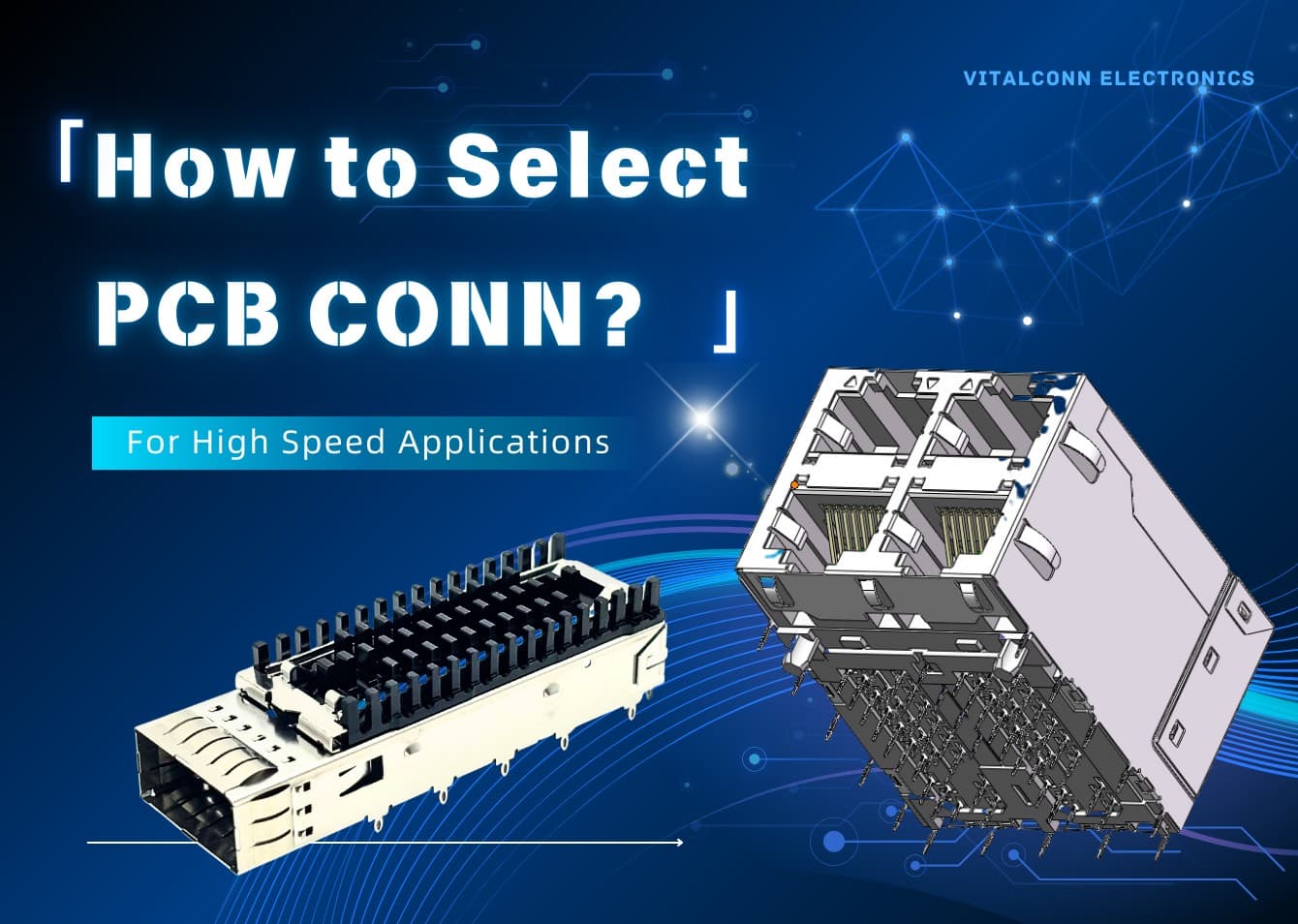
Top 10 Considerations When Selecting PCB Connectors for High-Speed Applications

In today’s rapidly evolving electronics landscape, high-speed applications are becoming increasingly commonplace. From 5G infrastructure and data centers to automotive ADAS systems and high-performance computing, the demand for reliable high-speed PCB connectors has never been greater. Selecting the right connector for these demanding applications requires careful consideration of multiple technical factors that can significantly impact signal integrity, system performance, and long-term reliability.

How to Choose Between 1.0mm, 1.27mm, and 2.54mm Pitch Connectors for Your PCB
Blog

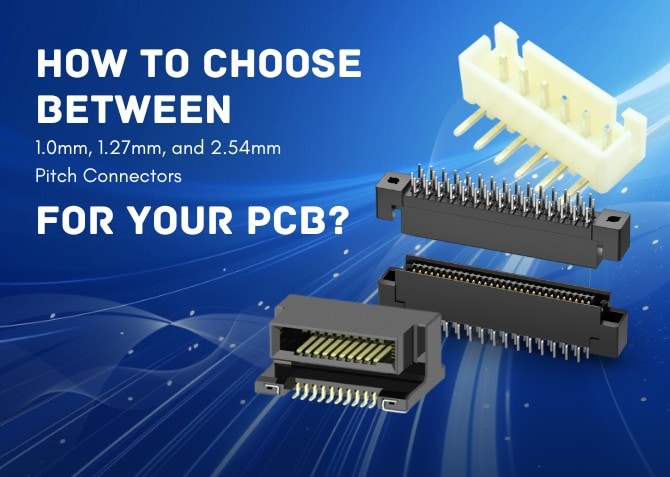
How to Choose Between 1.0mm, 1.27mm, and 2.54mm Pitch Connectors for Your PCB?

When designing a printed circuit board (PCB), connector selection often feels like a minor detail—until it isn’t. The pitch (spacing between contacts) of your connector can impact everything from signal integrity to board size and manufacturing cost. Among the most common options, 1.0mm, 1.27mm, and 2.54mm pitch connectors each serve distinct purposes. This guide will help you navigate the trade-offs and make the right choice for your application.

Vitalconn SD 7.0 card sockets series
Blog

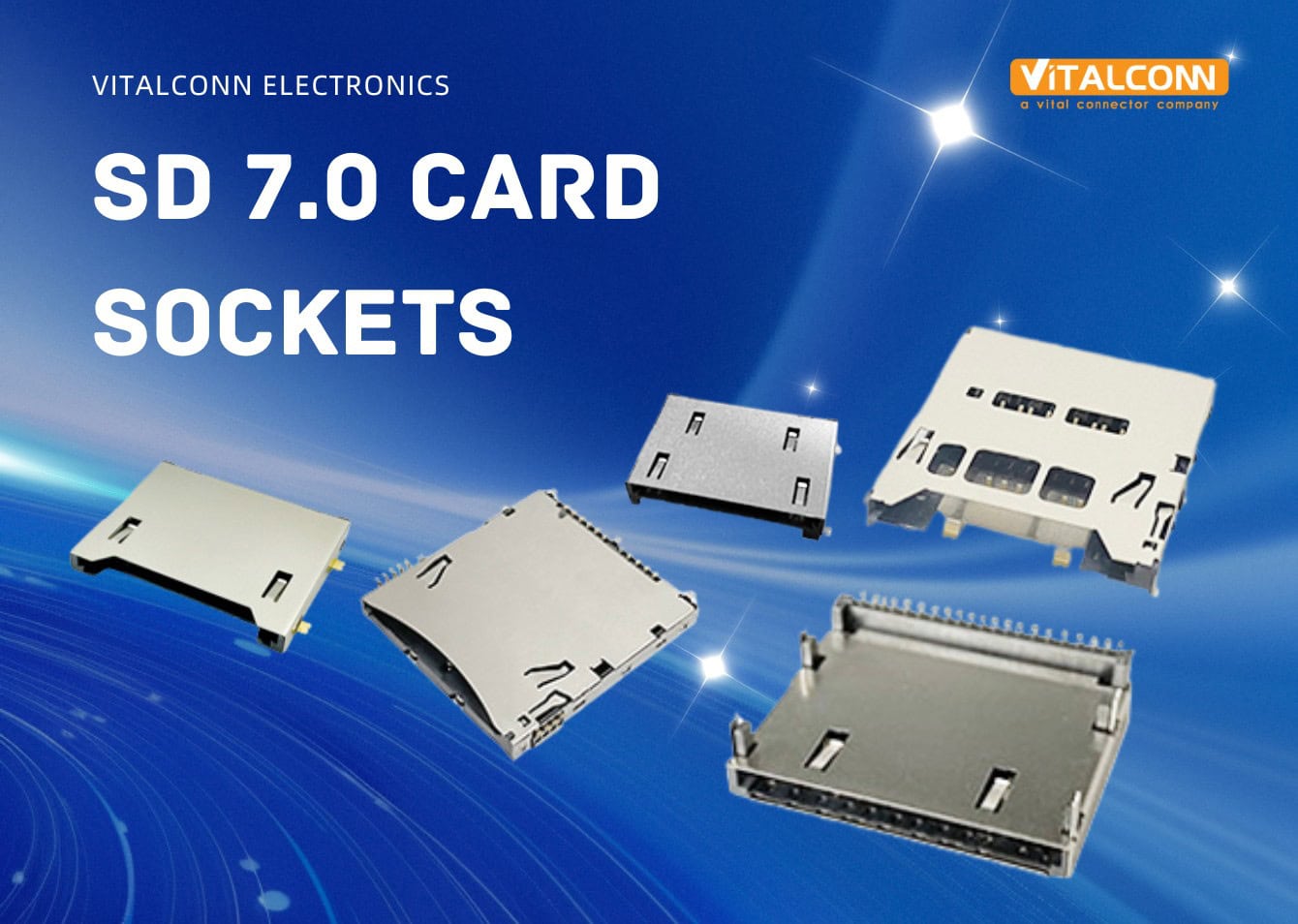
SD 7.0 (SD Express): The Future of High-Speed Storage

The SD Association (SDA) has once again pushed the boundaries of storage technology with the release of SD 7.0 (SD Express). Building upon the legacy of previous SD card standards, SD 7.0 introduces groundbreaking improvements in speed, capacity, and efficiency—making it ideal for  4K/8K video recording, high-performance computing, and next-gen AI applications.

Blog

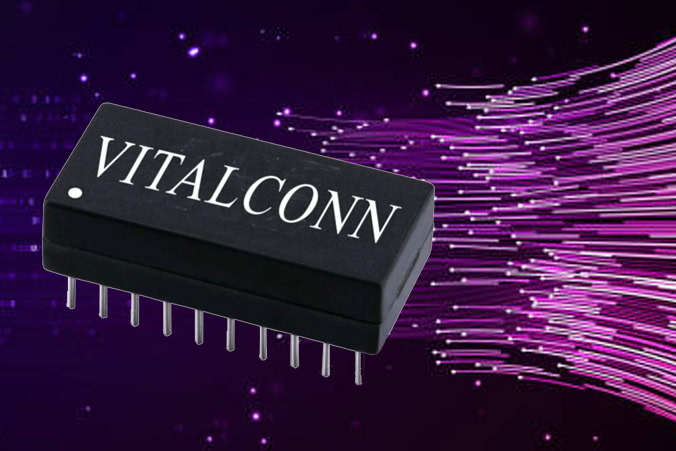
Applications and Advantages of LAN Magnetics Connectors in the Communication Field

In today’s fast-paced digital landscape, LAN magnetics connectors have emerged as a pivotal component in enhancing the efficiency and reliability of communication networks. These connectors play a crucial role in ensuring seamless data transmission across various sectors, from telecommunications to enterprise networking and the burgeoning Internet of Things (IoT). This article aims to explore the specific applications and substantial advantages of LAN magnetics connectors in the communication field, offering insights tailored for B2B buyers seeking to leverage cutting-edge networking solutions.

Blog

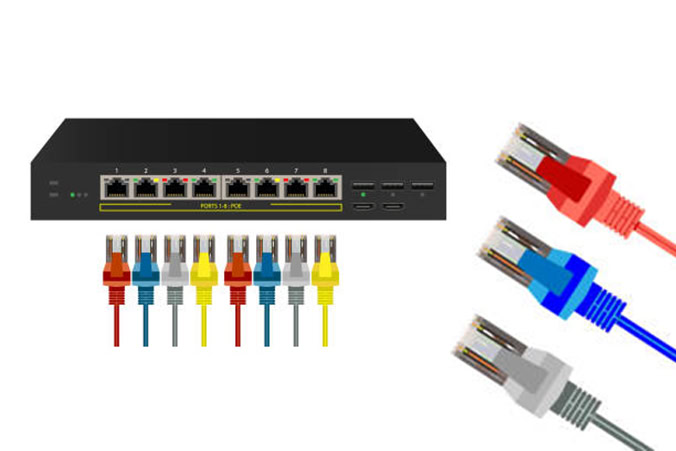
Connector Market Trends: The Future Development of Modular Jack RJ45

In the rapidly evolving world of networking technology, the modular jack RJ45 stands as a cornerstone component, essential for facilitating reliable and efficient data communication. As businesses increasingly prioritize digital transformation, understanding the trends shaping the future of RJ45 connectors is crucial, particularly for B2B buyers aiming to leverage advanced networking solutions. This article delves into current market trends, technological advancements, future developments, and the potential industry impacts of modular jack RJ45 connectors.

Blog

Connector Manufacturer Explains: How to Choose High-Quality Connector Products

Connectors are devices used to establish electrical or mechanical links between multiple components, systems, or devices. Connectors play an essential role in transmitting data, power, and signals between various parts of a system. Their definition is quite broad and can encompass numerous devices and components; generally speaking they can be divided into electrical connectors, mechanical connectors, optical connectors based on their function or application.

Scroll to Top