News
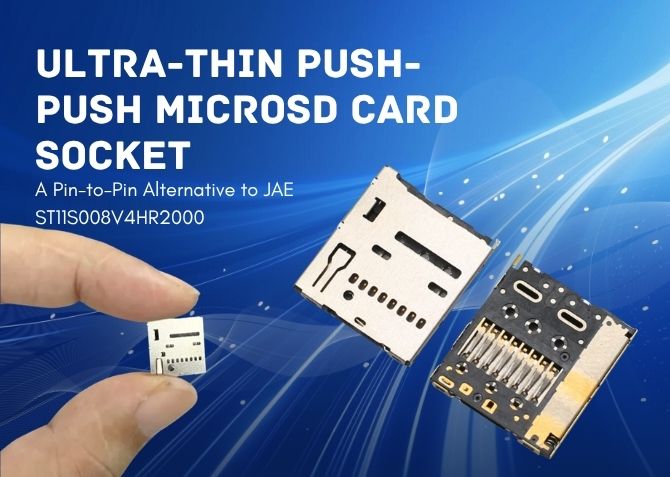
VITALCONN Launches Ultra-Thin Push-Push microSD Card Socket
New C102316832E1 delivers identical footprint, superior push-push mechanism, and competitive pricing for security, automotive DVR, drone, and action camera manufacturers.

New C102316832E1 delivers identical footprint, superior push-push mechanism, and competitive pricing for security, automotive DVR, drone, and action camera manufacturers.

In the realm of high-definition audio-visual transmission, HDMI (High-Definition Multimedia Interface) has established itself as the de facto standard, powering everything from consumer electronics to industrial display systems. At the core of its reliability lies two critical components: the 19-pin configuration that enables versatile signal transmission and the precision PCB (Printed Circuit Board) layouts that preserve signal integrity. For engineers, hardware designers, and tech enthusiasts alike, understanding these foundational elements is key to building robust HDMI-enabled devices. Let’s dive deep into the 19-pin architecture and the PCB design principles that make seamless 4K, 8K, and high-refresh-rate transmission possible.

In the fast-paced world of electronic manufacturing, connectors serve as the unsung heroes—facilitating seamless signal and power transmission across devices, from consumer electronics to automotive

In the era of digital transformation, smart card connectors serve as the critical bridge between smart cards and electronic devices, enabling secure data transmission, reliable power supply, and seamless interaction. From SIM cards in mobile phones to payment terminals in banks, these small yet robust components underpin countless daily operations. This blog delves into the core technical specifications that define their performance and explores their wide-ranging industrial applications, shedding light on why they are indispensable in modern technology ecosystems.

In the fast-paced world of data centers and high-speed networking, every component plays a critical role in ensuring seamless data transmission. Among these, Small Form-factor

In the digital age, USB connectors are the unsung heroes that bridge our devices, enabling seamless data transfer and power delivery. What began as a solution to simplify a chaotic mess of proprietary ports has evolved into a dynamic ecosystem of designs, driven by the relentless pursuit of user convenience, device miniaturization, and performance enhancement. Let’s trace the fascinating journey of USB connectors—from the rigid standard designs of the past to the versatile reverse and offset innovations that define today’s tech landscape.

In the world of networking and data communication, the RJ45 connector is a ubiquitous workhorse. Found in everything from home routers and office switches to industrial control systems and data centers, this small but critical component is the backbone of Ethernet connectivity. While many of us take it for granted, the RJ45 has undergone significant innovations over the years to keep pace with evolving network demands—particularly in areas like electromagnetic interference (EMI) shielding and LED status indicators.
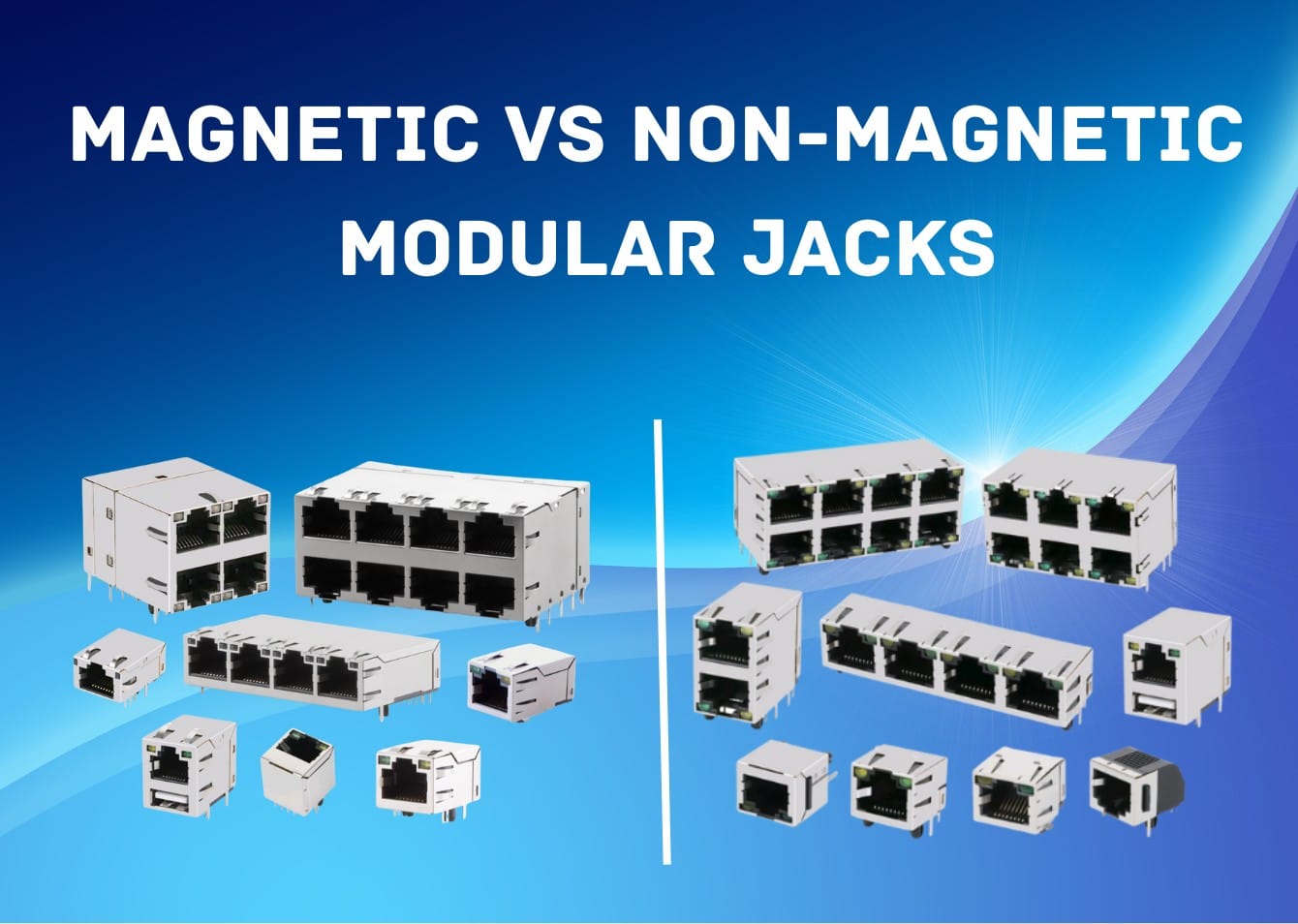
The right jack can make or break your network design.
In the world of Ethernet connectivity, the humble RJ45 connector is the unsung hero of our connected world. But hidden within this standard interface lies a critical design decision that every hardware engineer must face: integrated magnetic jacks or non-magnetic modular jacks? This choice impacts everything from signal integrity and EMI performance to production costs and time-to-market.
As networking equipment evolves to handle higher speeds, greater densities, and more diverse applications—from industrial automation to quantum computing—this decision has never been more consequential. Let’s explore which solution fits your networking equipment needs.
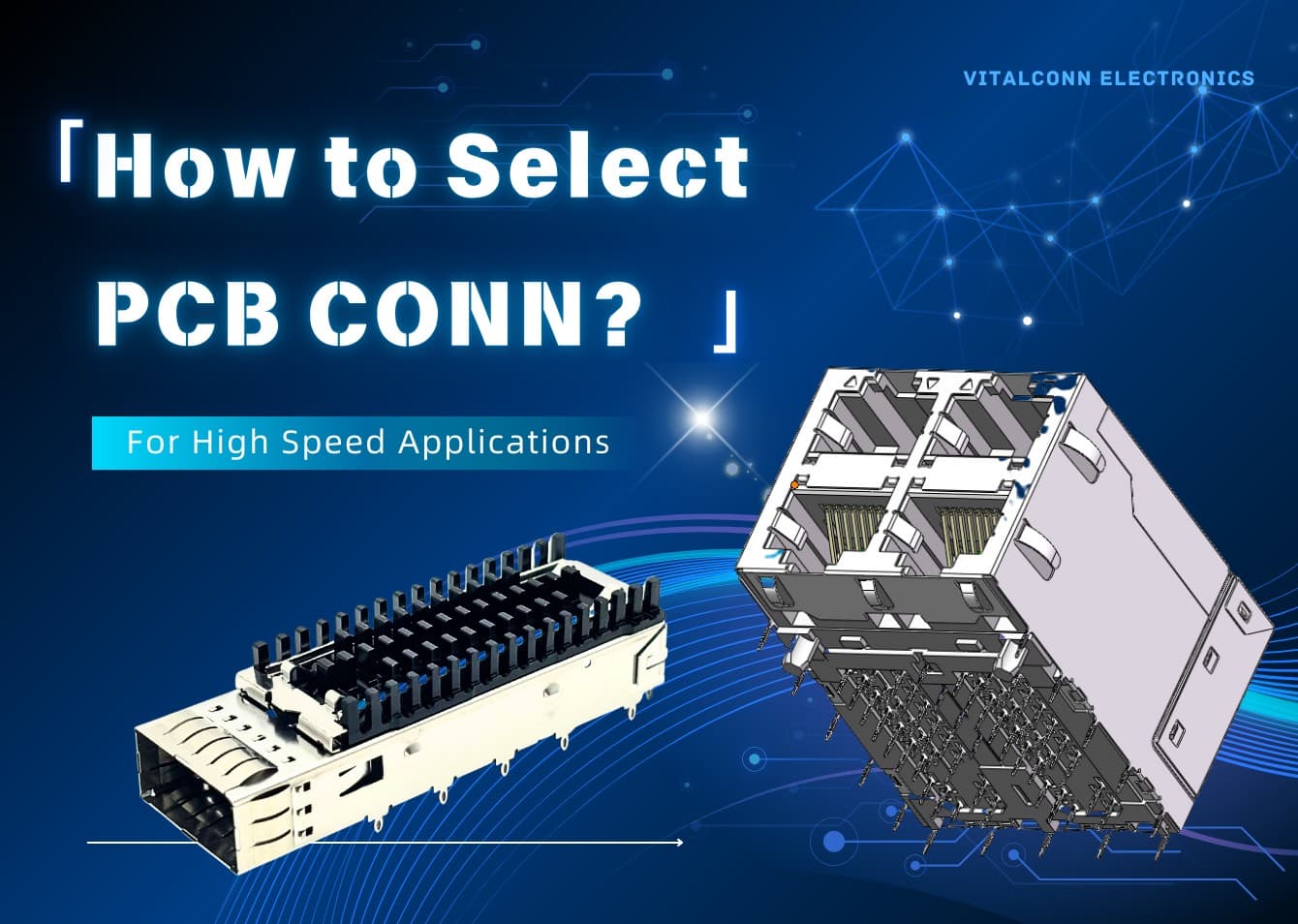
In today’s rapidly evolving electronics landscape, high-speed applications are becoming increasingly commonplace. From 5G infrastructure and data centers to automotive ADAS systems and high-performance computing, the demand for reliable high-speed PCB connectors has never been greater. Selecting the right connector for these demanding applications requires careful consideration of multiple technical factors that can significantly impact signal integrity, system performance, and long-term reliability.
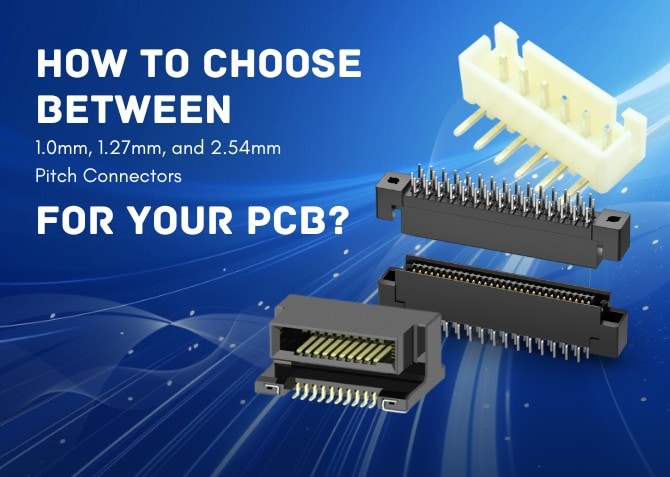
When designing a printed circuit board (PCB), connector selection often feels like a minor detail—until it isn’t. The pitch (spacing between contacts) of your connector can impact everything from signal integrity to board size and manufacturing cost. Among the most common options, 1.0mm, 1.27mm, and 2.54mm pitch connectors each serve distinct purposes. This guide will help you navigate the trade-offs and make the right choice for your application.

Looking for the right connector? Read our comprehensive Modular Jack (RJ45/RJ11) Selection Guide covering shielding options, network categories, and material considerations.
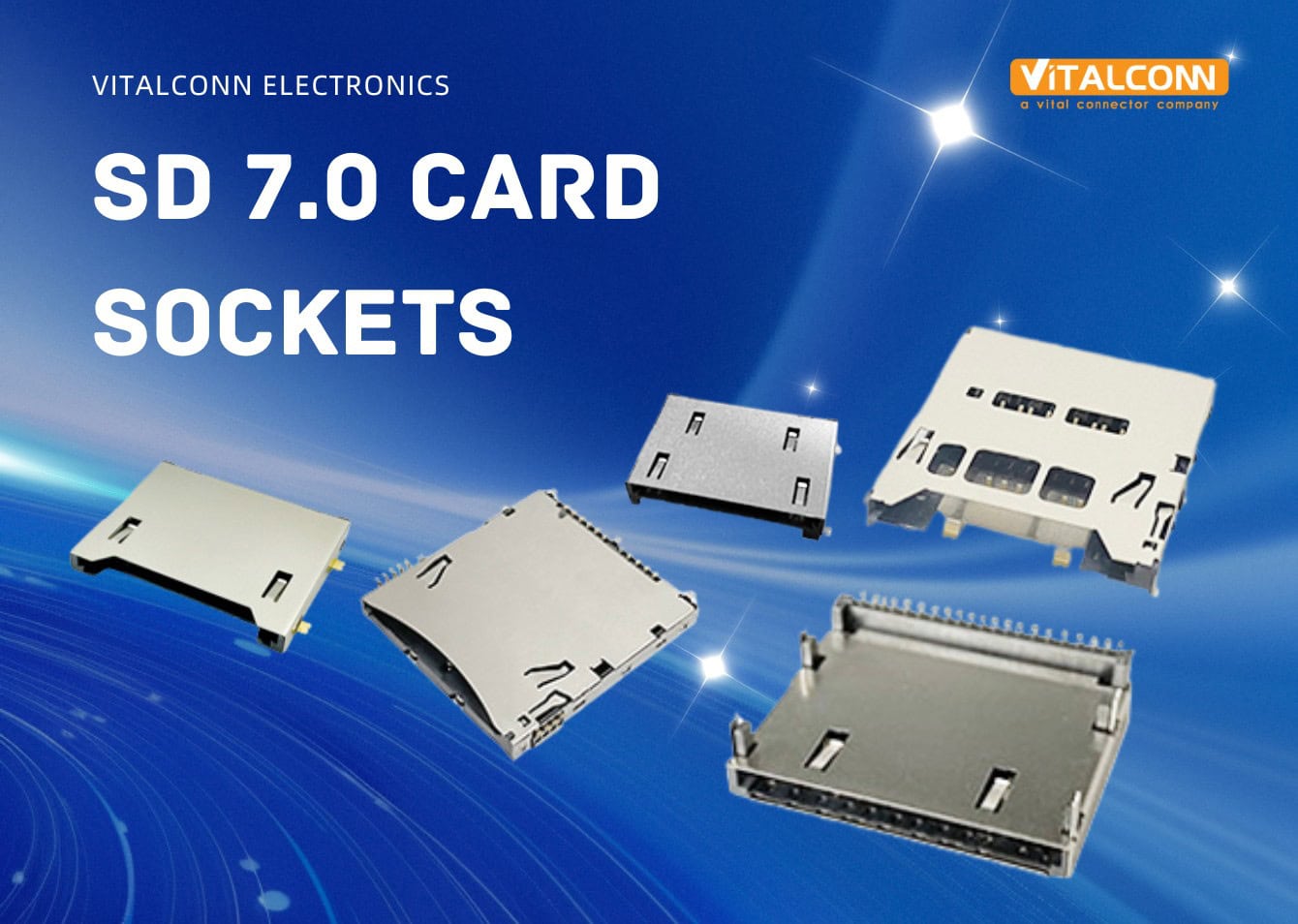
The SD Association (SDA) has once again pushed the boundaries of storage technology with the release of SD 7.0 (SD Express). Building upon the legacy of previous SD card standards, SD 7.0 introduces groundbreaking improvements in speed, capacity, and efficiency—making it ideal for 4K/8K video recording, high-performance computing, and next-gen AI applications.